 Back to Events
Med-Or Africa hosts a joint seminar with IGAD on Chokepoints, Maritime Corridors and Strategic Connectivity in the Horn and East Africa
The Nairobi seminar brought together public officials, diplomats and private-sector leaders to consider the implications on maritime disruption in Hormuz and Bab el Mandeb, on shipping and infrastructure corridors — including energy and digital connectivity — across the Horn and East Africa
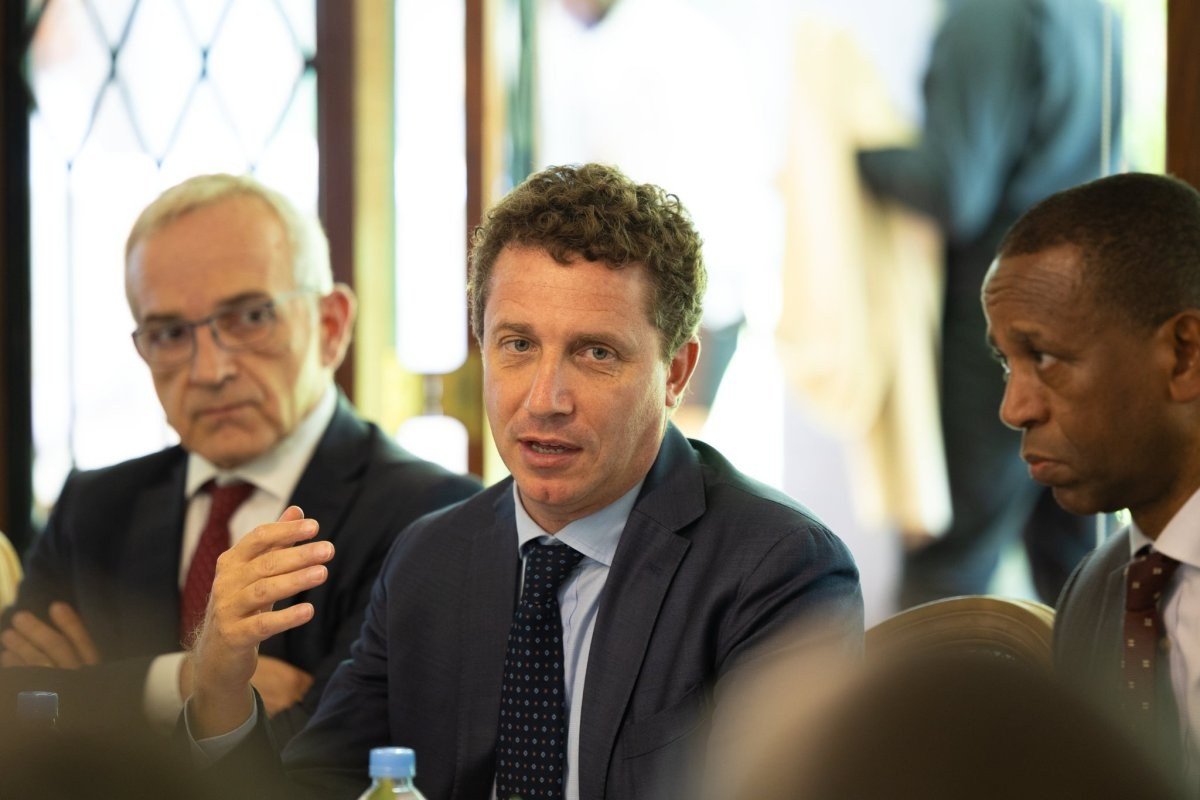
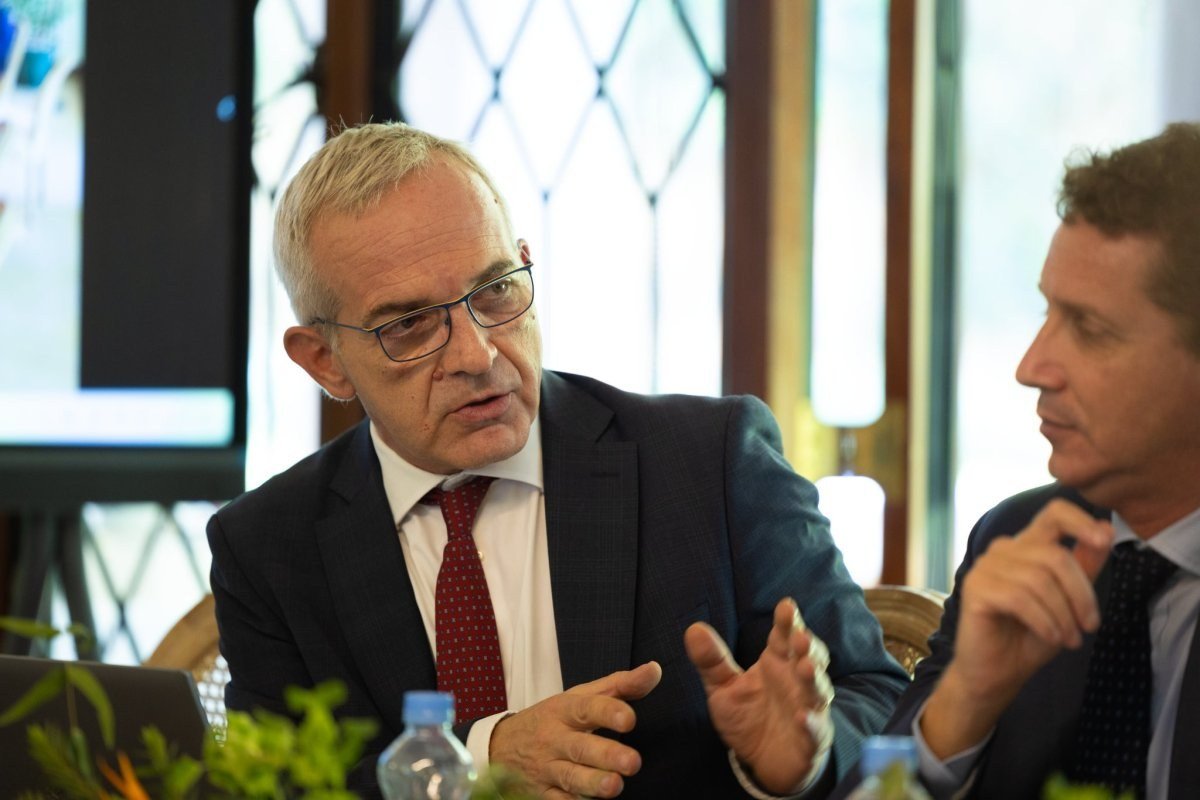
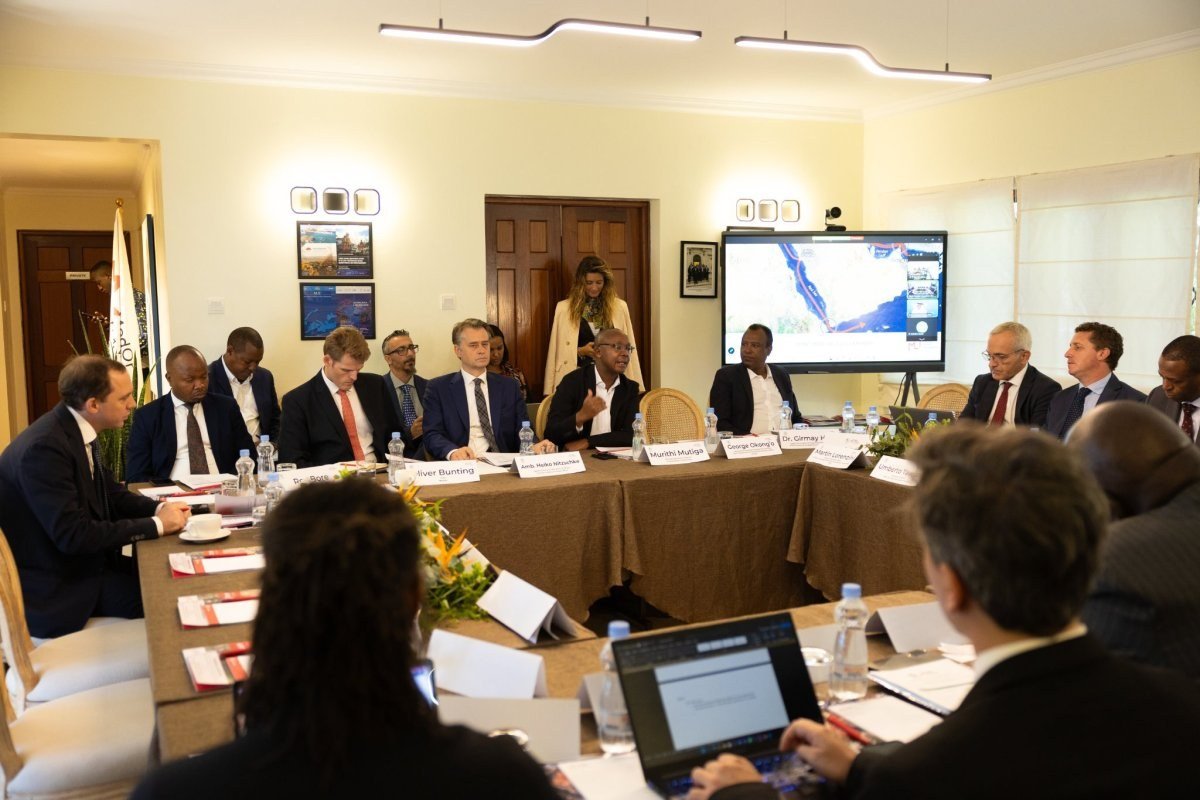
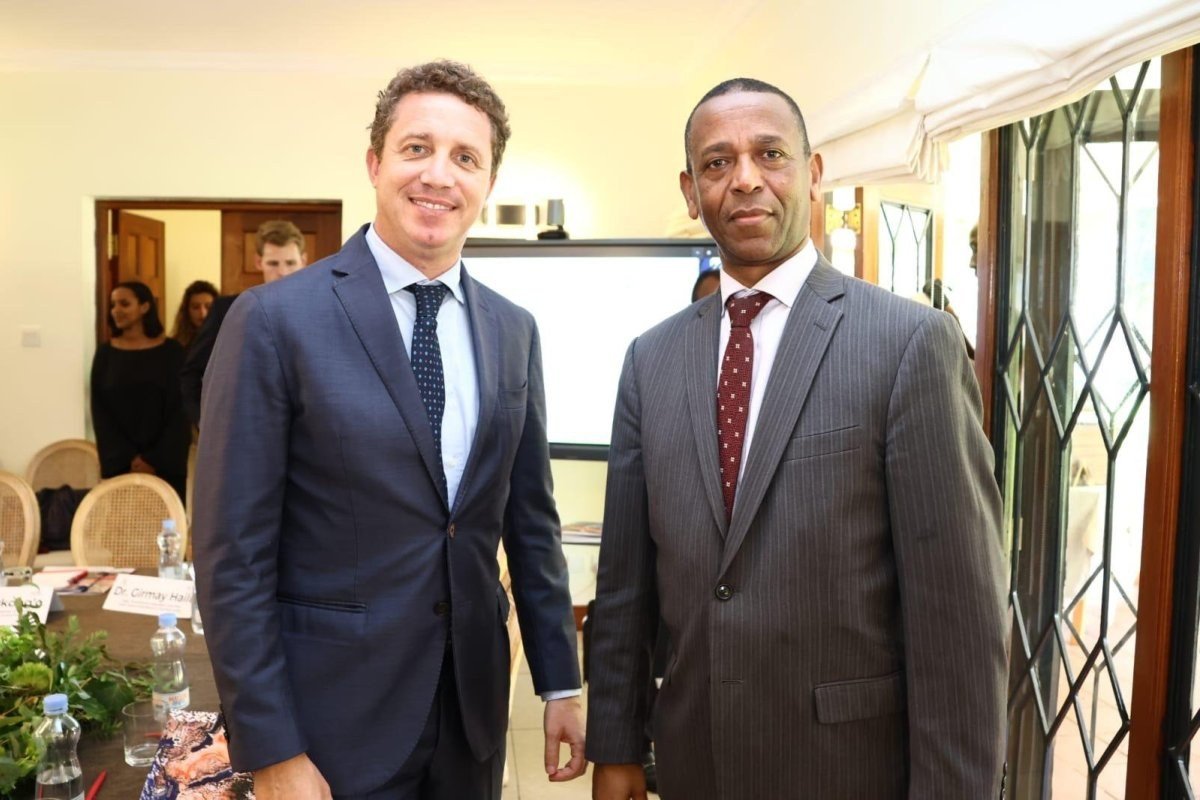
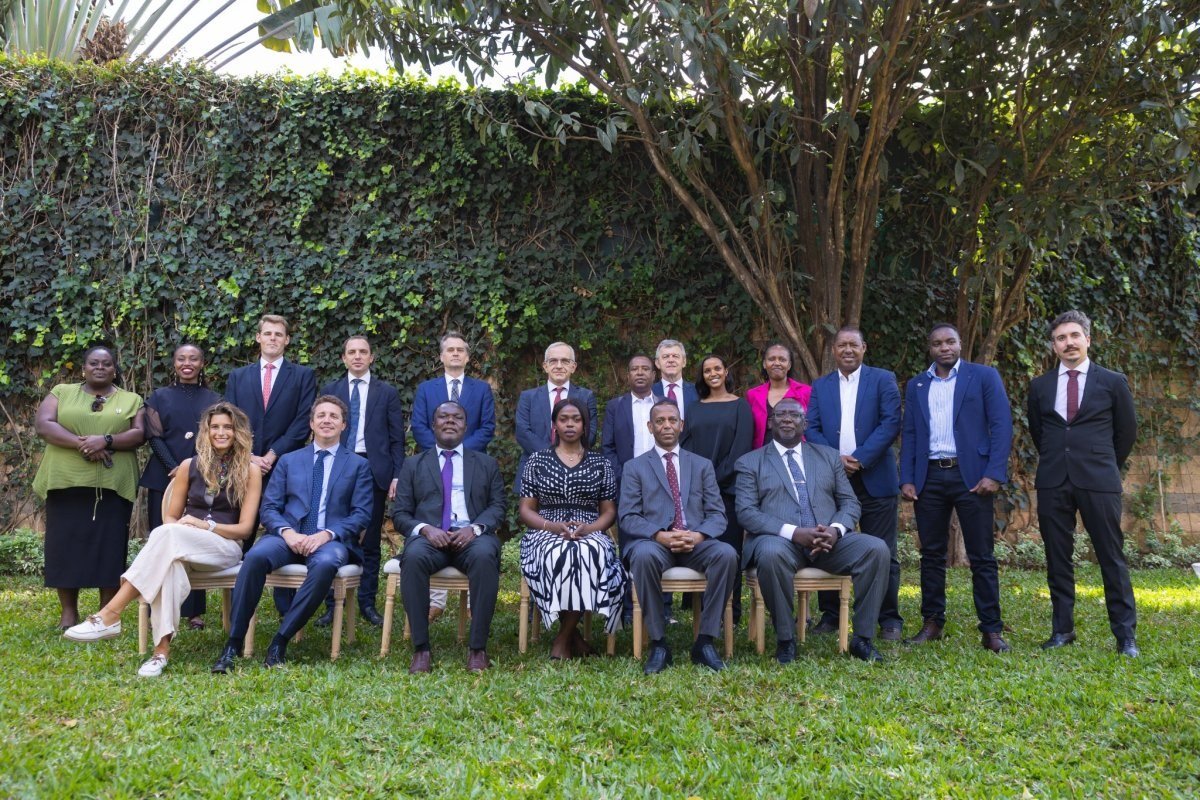
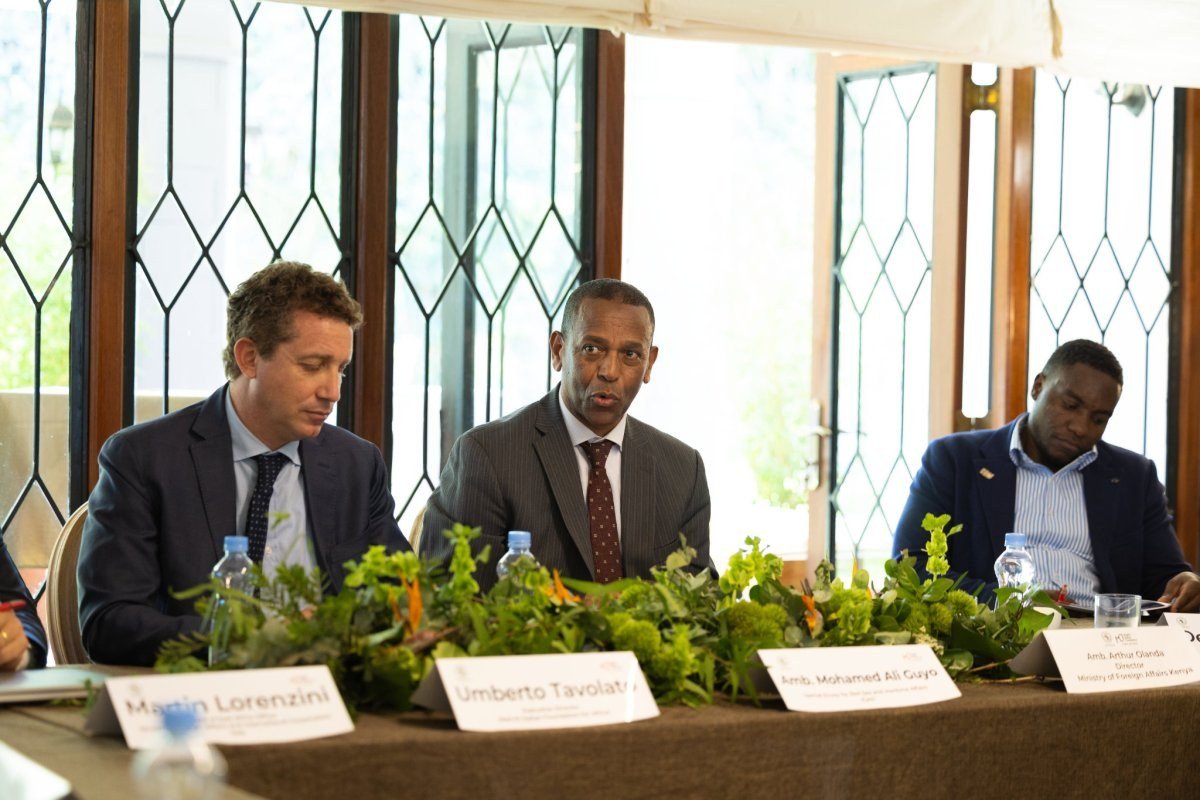
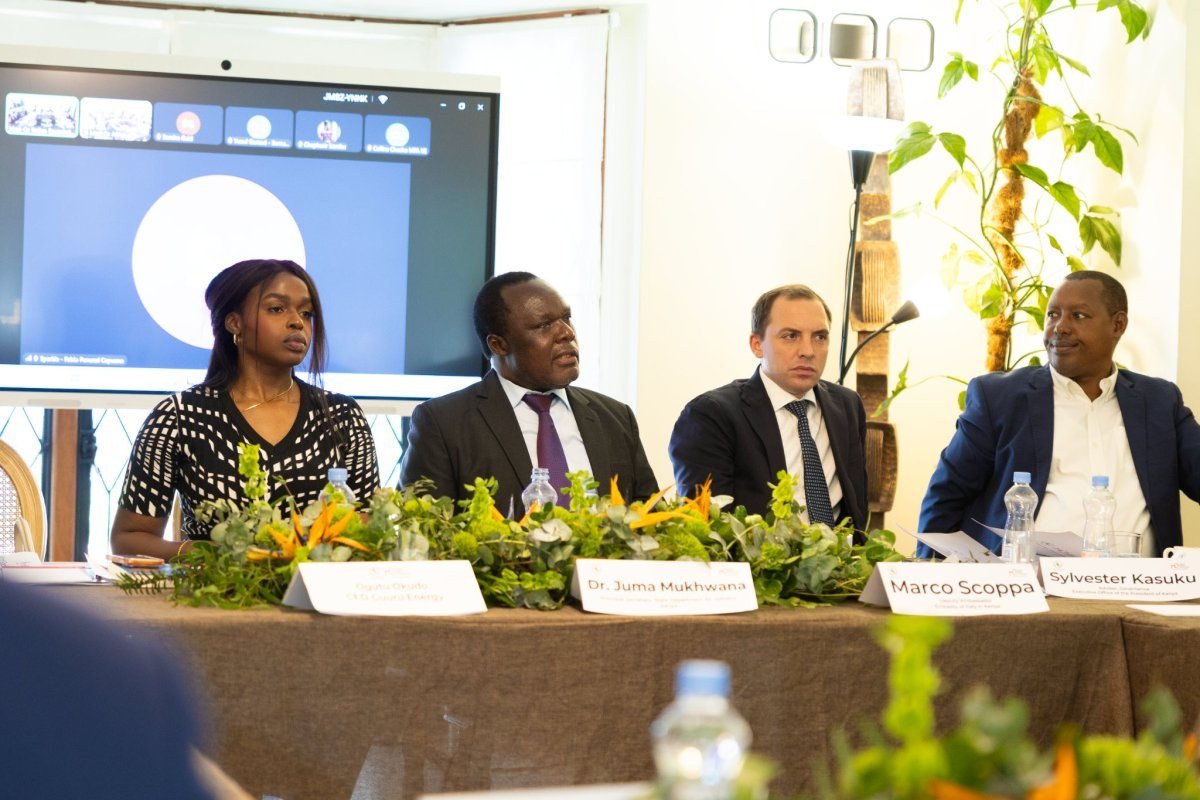
On 28 October 2026, Med-Or Italian Foundation hosted its first high-level seminar at its Africa headquarters in Nairobi, organised jointly with the Intergovernmental Authority on Development (IGAD). Entitled “Corridors & Chokepoints - From Hormuz to Bab el-Mandeb: How Maritime Disruption Will Reshape Strategic Infrastructure and Connectivity across the Horn and East Africa”, the seminar examined the strategic significance of maritime corridors and their implications for energy infrastructure and digital connectivity across the Horn and East Africa.
The seminar opened with remarks by Ambassador Mohamed Ali Guyo, Special Envoy for the IGAD Office of the Red Sea and Maritime Affairs, and Umberto Tavolato, Executive Director of Med-Or Italian Foundation for Africa [see his remarks], followed by a keynote address delivered by Mr Arthur Olanda, Director of Peace and Security at Kenya’s Ministry of Foreign Affairs, on behalf of the Principal Secretary for Foreign Affairs, Dr Korir Sing’Oei.
The roundtable brought together government officials, including Kenya’s Principal Secretary for the State Department of Industry, Dr Juma Mukhwana; senior diplomats from the IGAD region and Europe, including Mr. Martin Lorenzini, Head of the Horn/East Africa at Italy’s Ministry of Foreign Affairs & International Cooperation, and Amb. Heike Nitzsche, Germany’s Special Envoy for the Horn of Africa; private-sector executives; policymakers; and regional experts from the Horn and East Africa, the Gulf and Europe. Held under the Chatham House Rule, the event provided a setting for public- and private-sector representatives to engage on the relationship between geopolitics, geoeconomics and strategic infrastructure in the Gulf and Red Sea region.
The initiative was distinctive in bringing public officials and diplomats together with private-sector leaders in a single forum, breaking down traditional silos. It provided a platform to examine issues that affect both sectors in different but interconnected ways, recognising that decisions in one have direct implications for the other. It also reflected the growing importance of connecting institutional and commercial perspectives as countries consider the implications of changing maritime routes for trade, investment and regional connectivity.
Shipping, ports, and freedom of navigation, as well as energy and digital and AI infrastructure were important parts of the seminar’s strategic focus. These sectors are closely linked to the region’s connectivity and economic prospects, with energy infrastructure and transport routes forming an essential part of the wider discussion on strategic investments. The seminar also recognised the importance of regional coordination, including IGAD’s role in connecting national priorities and cross-border initiatives.
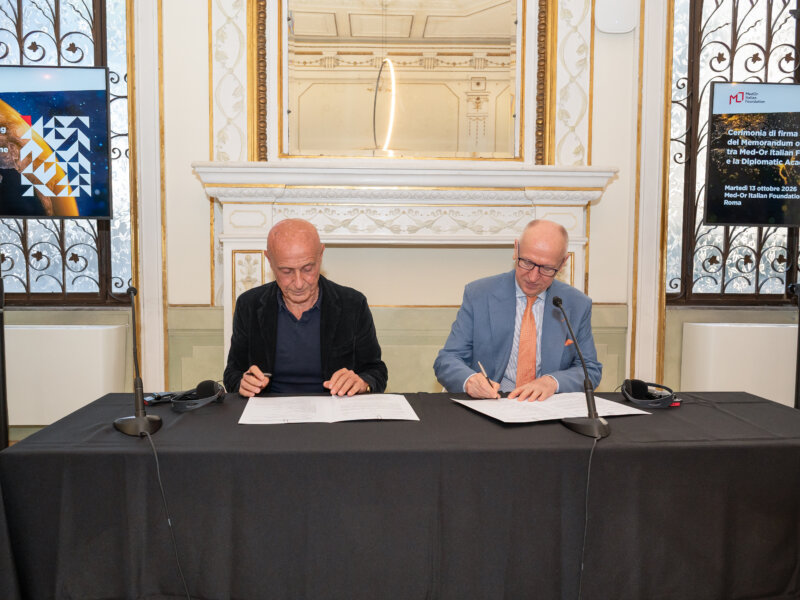
The seminar marked the first joint initiative under the Memorandum of Understanding signed by Med-Or Italian Foundation and IGAD earlier in June, and the first event of this kind organised by Med-Or in Nairobi. It reflects Med-Or’s commitment to fostering structured dialogue and partnerships with African institutions and stakeholders, bringing together institutional engagement and private-sector expertise to strengthen cooperation across the Horn and East Africa and its connections with the Gulf, Europe and the Mediterranean.