 Back to Insights
Pakistan–Afghanistan: The War of Strategic Ambiguity
From strategic patronage to armed confrontation: the structural contradictions reshaping relations between Islamabad and Kabul.
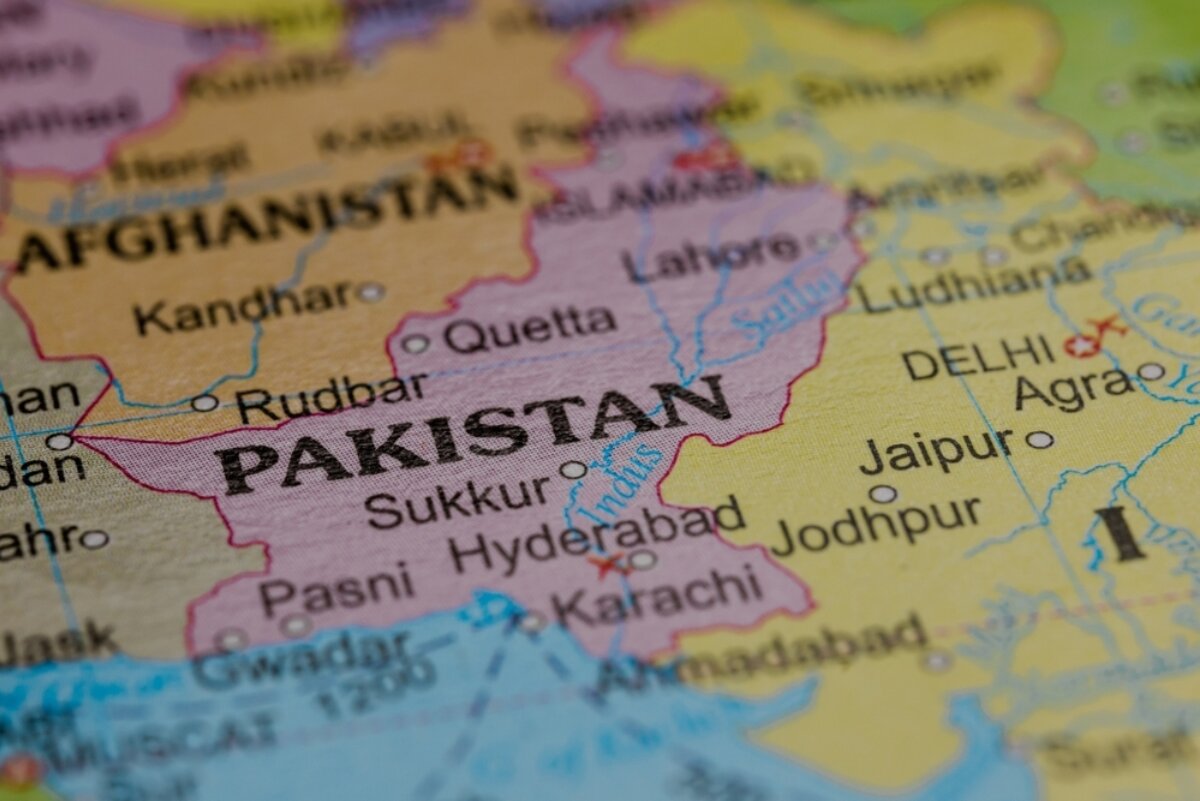
Pakistan and Afghanistan have entered what can be described—without rhetorical exaggeration—as an open war.
At the end of February 2026, the Pakistani Army launched Operation Ghazab lil-Haq (“Wrath for the Truth”). The strikes targeted several Afghan areas including Kabul, Kandahar, Paktia, Paktika, Khost and Laghman, causing both civilian and military casualties. On February 22, airstrikes killed at least 13 civilians, according to the UN Mission in Afghanistan, marking a significant escalation in the confrontation. Washington supported “Pakistan’s right to self-defense,” framing the crisis within a broader regional and international context.
To understand the current clash, however, it must be placed within a longer historical trajectory. The strategic paradox is clear: Islamabad is now fighting an actor it once helped create and sustain.
During the 1980s, under General Zia-ul-Haq’s regime, Pakistan became the rear base of the anti-Soviet jihad in Afghanistan. With U.S. and Saudi support, the country was transformed into a hub of the global jihad against the Soviet Union. In this context, Pakistan’s Inter-Services Intelligence (ISI) built close operational ties with Afghan mujahideen factions, including the network led by Mullah Mohammad Omar, which later formed the nucleus of the Taliban.
After the Soviet withdrawal in 1989 and the end of the Cold War in 1991, Islamabad did not abandon its influence in Afghanistan. On the contrary, it turned the Afghan lever into an instrument of “strategic depth” against India, supporting the rise of the Taliban, who captured Kabul in 1996 and proclaimed the Islamic Emirate. Pakistan was one of only three countries—alongside Saudi Arabia and the United Arab Emirates—to formally recognize their government.
The attacks of September 11, 2001 forced a sudden realignment. Under direct pressure from the United States, Pakistan joined the American campaign in Afghanistan. Yet the break with the Taliban was never complete. Between 2001 and 2021, while Washington fought the insurgency, parts of the Pakistani establishment maintained open channels with Taliban leadership.
In 2018, when the Trump administration opened negotiations with the Taliban to organize the U.S. withdrawal, Pakistan once again emerged as a key intermediary, contributing to the launch of intra-Afghan talks in 2020.
In theory, the Taliban’s return to power in 2021 seemed to validate decades of Pakistani strategic investment. Many analysts predicted a period of close realignment between Kabul and Islamabad.
Reality has proved different. Since 2021, around 75 clashes have occurred between Afghan and Pakistani forces. Bilateral relations have centered on three critical issues.
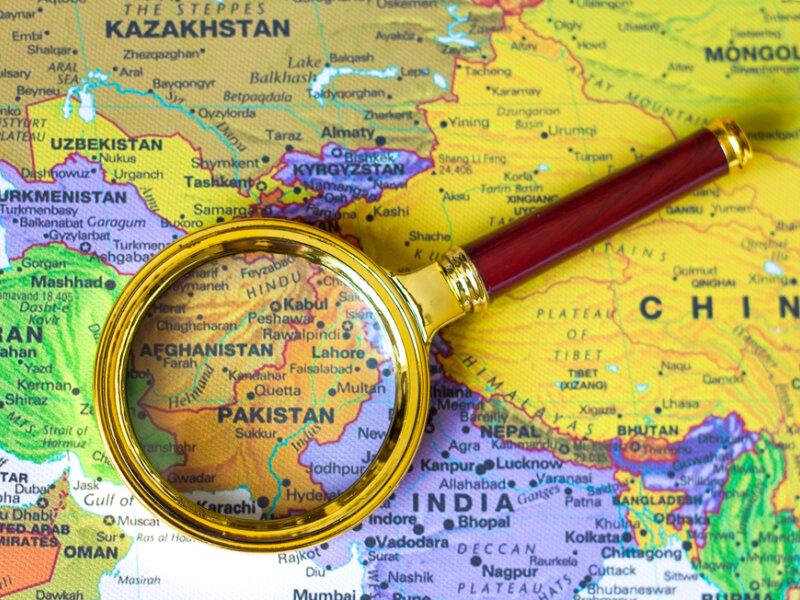
The first concerns the Durand Line, the colonial-era border never fully accepted by the Taliban, who view it as an artificial division of the Pashtun community.
The second concerns the Tehrik-i-Taliban Pakistan (TTP), the Pakistani jihadist movement that Islamabad accuses Kabul of sheltering or tolerating. While the Taliban have previously mediated between the TTP and the Pakistani government, direct repression of the group could fracture the Taliban movement and push militants toward ISIS-K (Islamic State – Khorasan Province), already responsible for several attacks, including the bombing of a Shiite mosque in Islamabad in February 2026.
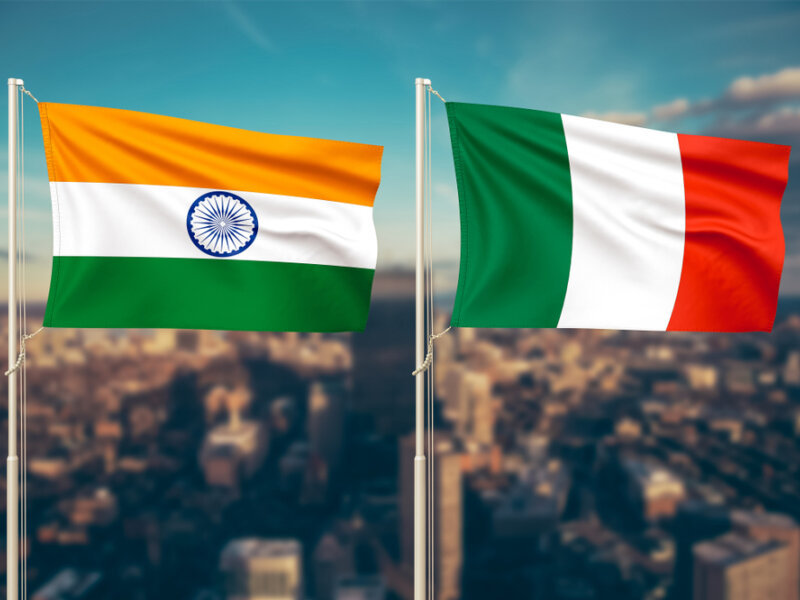
The third factor concerns the Indo-Pakistani dimension. Islamabad accuses Delhi of colluding with anti-Pakistani groups in Afghanistan, while India rejects these allegations and condemns Pakistani raids as violations of Afghan sovereignty. The Afghan theater therefore risks reigniting indirect competition between South Asia’s two nuclear powers.
International mediation attempts have so far remained marginal compared with the bilateral dynamics. De-escalation will largely depend on Pakistan and the Taliban’s ability to redefine the terms of their relationship: border management, neutralization of the TTP and the delimitation of their respective security spheres.
The fundamental issue remains strategic. For Islamabad, Afghanistan is a space functional to national security, particularly in its rivalry with India. For the Taliban, it is a sovereign state that must be shielded from any form of external tutelage.
Until this divergence is resolved, relations between the two countries are likely to remain structurally unstable, oscillating between tactical cooperation and armed confrontation.