Related content on Bangladesh
General Elections in Bangladesh
On 12 February, general elections took place in Bangladesh for the first time since the ousting of Prime Minister Sheikh Hasina in August 2024, marking a potentially critical juncture for national stability and for the country’s political direction after the upheavals of summer 2024.
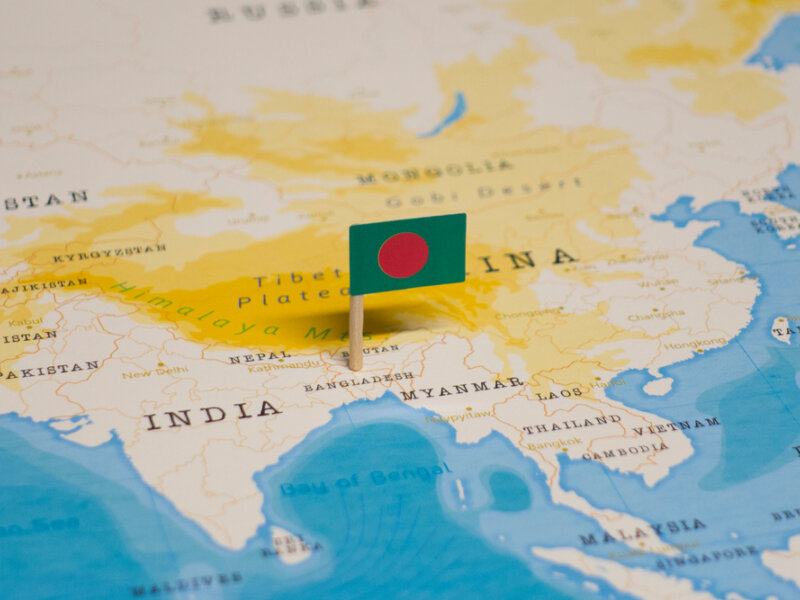
Bangladesh Changes Government: What Future for Dhaka?
The power vacuum created by the end of Sheikh Hasina’s government concluded with the appointment of Muhammad Yunus, a renowned economist, and Nobel Peace Prize laureate in 2006, as Prime Minister. However, the end of the Hasina era opens new prospects on both domestic and regional levels. Balance and equidistance seem to be the two guiding principles of the new Bangladeshi political course currently.
Bangladesh’s agreement with the International Monetary Fund
Why has Bangladesh, despite a positive economic framework, turned to the IMF for the release of an urgent assistance package? By Guido Bolaffi
Global migrant remittances and the pandemic. What happened in 2021
In 2021, despite the substantial block on migration caused by COVID-19, migrant remittances did not plummet as had been forecast by the World Bank. The situation in the South Asia Countries in the focus by Guido Bolaffi
