 Back to Insights
The Climate Crisis in Southeast Asia
In November, the countries of Southeast Asia were struck by a series of catastrophic climatic events, resulting in numerous fatalities and substantial damage. An analysis by Alessandro Riccioni and Manfredi Martalò
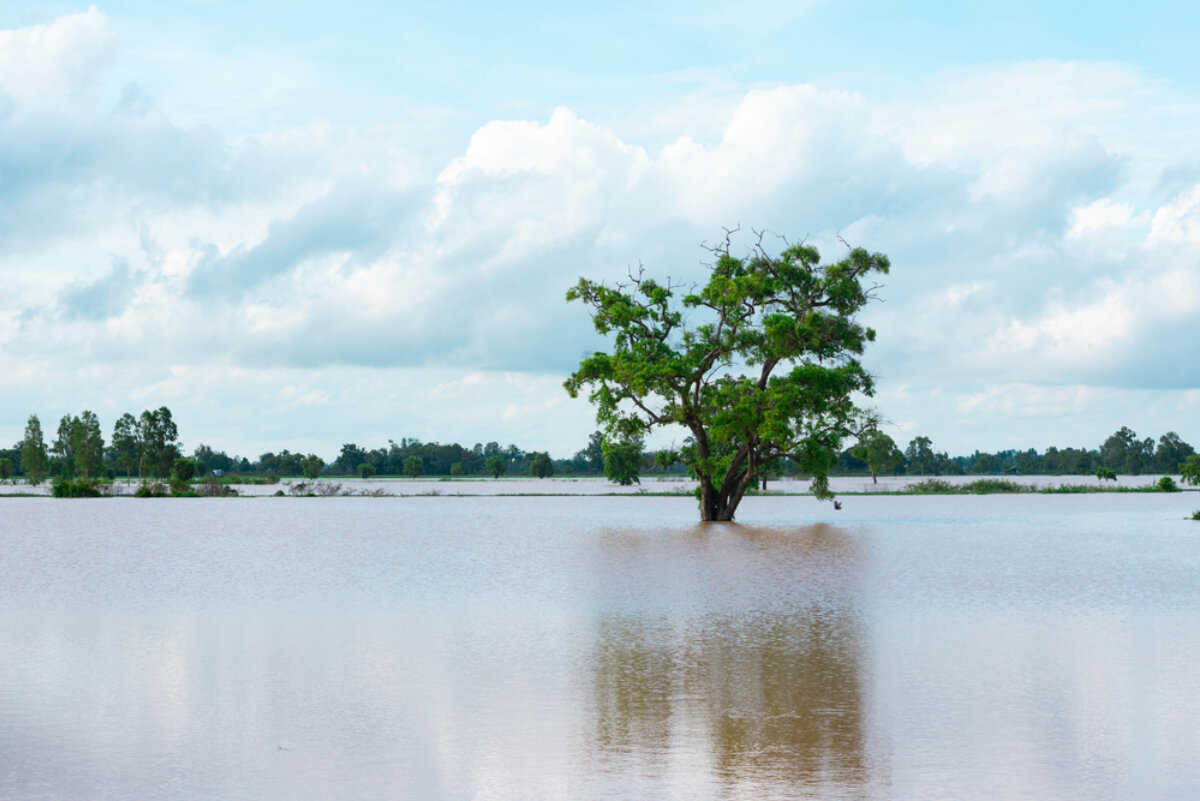
In November, a series of intense monsoon rains and tropical cyclones affected several parts of Southeast Asia – particularly Indonesia, Sri Lanka, Thailand, Malaysia, the Philippines, and Vietnam – triggering floods, flash floods, and landslides that devastated the impacted areas. According to current estimates, these events caused more than 1,600 deaths, 800 missing persons, and approximately three million displaced people, making this one of the most severe natural disasters in recent history.[1]
Material and infrastructural damage has been vast and widespread, further aggravating the region’s already significant socioeconomic vulnerabilities. Beyond the immediate loss of life, the storms forced hundreds of thousands of people to abandon their homes, while critical infrastructure – including roads, bridges, and telecommunications networks – was severely compromised, hindering access to aid and isolating numerous communities already in conditions of heightened fragility.
Indonesia appears to be the most heavily affected country, with more than 1.4 million people impacted. Extensive areas were devastated by the floods of 22 and 25 November, which caused at least 830 deaths and 500 missing persons, along with nearly 880,000 displaced residents. Northern Sumatra alone recorded over 500 fatalities and numerous missing persons.[2] Large-scale deforestation appears to have exacerbated the impact of heavy rainfall, triggering landslides that carried debris into residential areas. Overall, nearly 3,000 homes are estimated to have been damaged, 827 of which were completely destroyed.
In Sri Lanka, on 28 November Cyclone Ditwah caused the worst flooding in two decades, affecting more than 1.3 million people, with 360 confirmed deaths and thousands still missing. The cyclone also damaged critical infrastructure, cutting off entire localities due to the collapse of power, road, and rail networks.
In Thailand, monsoon rains struck several provinces, causing at least 185 deaths and 367 missing persons. Floods in the country’s southern regions resulted in 170 deaths and over 100 injuries, with estimated commercial losses reaching approximately USD 47 million per day.
Malaysia has also recorded 14,040 displaced persons belonging to about 4,518 households across eight states. Severe weather events, however, are affecting the broader Asian region: a storm over the Bay of Bengal caused at least 176 deaths in southern Thailand and two in northern Malaysia; mid-November floods in Vietnam caused at least 90 fatalities; Laos and Cambodia registered precipitation levels above historical records; and the Philippines were struck by two consecutive typhoons causing more than 250 deaths.
These events occur against a backdrop of increasing frequency and intensity of extreme weather across the region. According to the Intergovernmental Panel on Climate Change (IPCC), the rise in temperatures observed in Asia since the early twentieth century has significantly increased the probability of flooding in the monsoon regions of South, Southeast, and East Asia. Studies indicate that for every 1°C increase in air temperature, the atmosphere can hold approximately 7% more moisture, resulting in more intense and concentrated rainfall. The United Nations has also reported that carbon dioxide levels in 2024 registered the highest annual increase ever recorded, further accelerating a “turbo-change” effect on the global climate system and amplifying the frequency and severity of extreme events.[3]
These phenomena call for decisive and effective adaptation and mitigation measures which, however, are often not implemented. These issues were also addressed during the 30th Conference of the Parties to the UNFCCC (COP30), held this year in Belém, Brazil – ironically almost simultaneously with the extreme weather events described above. Among the decisions adopted and compiled in the “Mutirão Decision”, the conference’s final document, were measures linked to the Global Implementation Accelerator and the Belém Mission to 1.5, aimed at supporting countries in implementing their Nationally Determined Contributions (NDCs) and National Adaptation Plans (NAPs). Notably, the conference endorsed the tripling of climate adaptation finance for developing countries, with contributions expected to reach USD 300 billion annually by 2035.[4] At the same time, disagreements among participating countries hindered the adoption of additional effective measures, as demonstrated by the failure to include explicit references to fossil fuels – coal, oil, and gas – in the final decision, a necessary step for unanimous approval.[5]
To conclude, the disasters that struck Southeast Asia in recent weeks represent, as noted, one of the most severe crises in recent history. Their impact, however, extends far beyond the tragic loss of life and widespread destruction, affecting the political, economic, and social stability of the entire region and beyond. One of the most significant consequences concerns climate-induced migration. Southeast Asia is among the world’s most exposed regions, with more than half of its population affected by at least one extreme event in the past fifteen years. This has triggered both internal migration – particularly toward urban centers – and international movements. According to United Nations data, nearly one quarter of all international migrants worldwide today originate from Southeast Asia, where climate change is increasingly undermining agriculture and the informal economy. In 2024 alone, the region recorded more than 72 million international migrants, an increase of nearly 13% compared to 2020.[6]
[1] https://news.un.org/en/story/2...
[2] Ibidem
[3] https://edition.cnn.com/2025/1...
[4] https://unfccc.int/sites/defau...